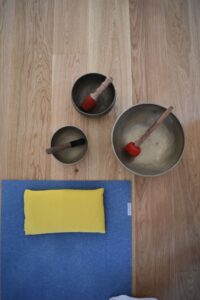
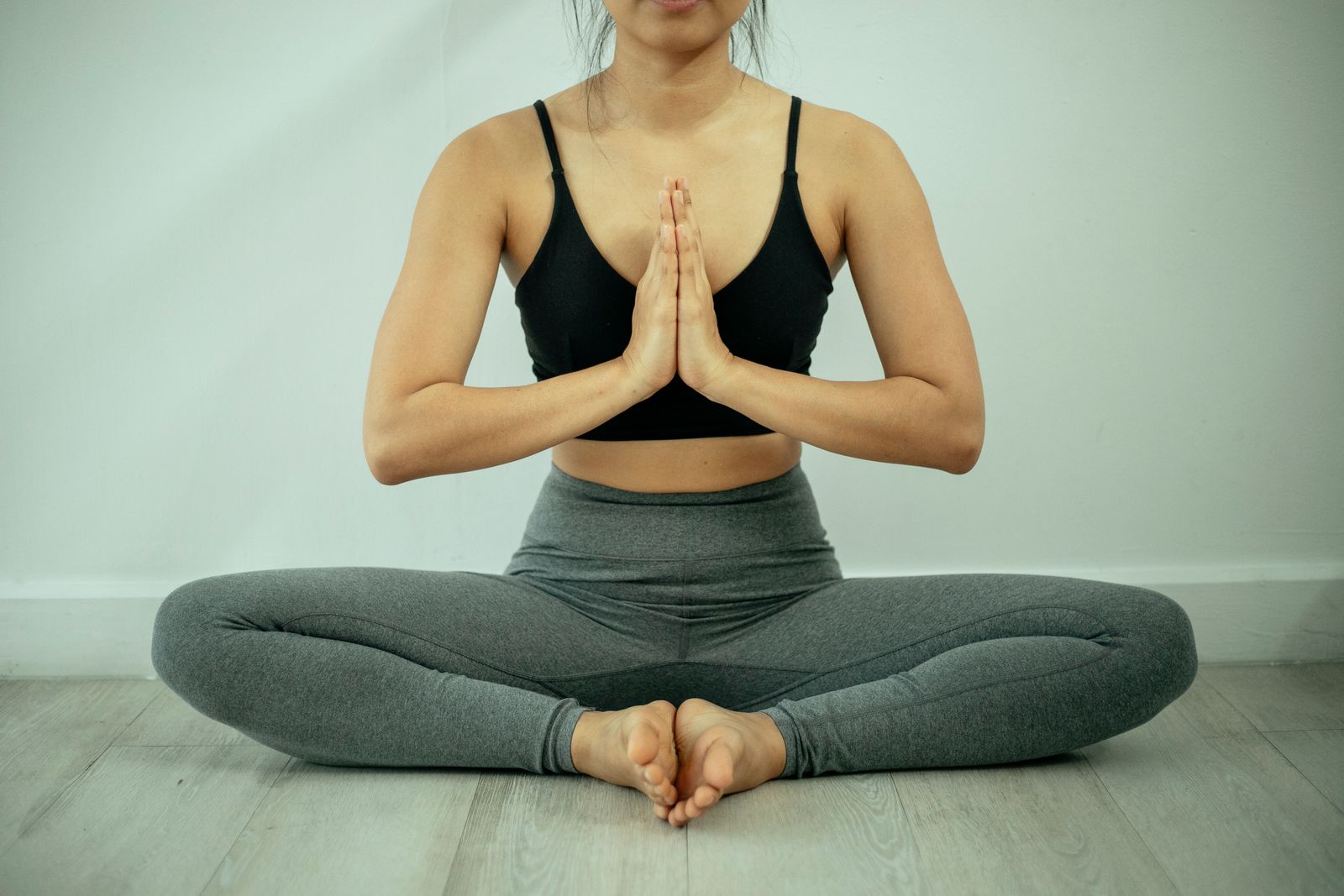
In Sanskrit, asana means “seat”, and we translate it as posture. In the Yoga Sutras, Patañjali says only one thing about it: the posture should be steady and comfortable.
What postures are for
In classical yoga, asana is above all the seated posture for meditation. Practising postures prepares us to:
- Withdraw the senses.
- Focus the mind.
- Sit for a long time in meditation without the body getting in the way.
Imagine leaving work and going straight to a class where you must sit and meditate for an hour. For most people it would be very hard. Asanas are a vehicle to get there: they move energy, calm the mind and prepare the body.
More than flexibility
Asanas also purify at every level: they tone muscles, joints and organs, balance the nervous system and create a steadier, more vital emotional state.
Notice that we never talk about going further or doing the most advanced version. Asana is not a goal in itself: it is a way of practising presence within the body.