Fibre is the part of plant foods we don’t fully digest, yet it does a lot of work inside us. The NHS recommends about 30 grams a day, while most adults eat only around 20.
Why it matters
Eating enough fibre is linked to a lower risk of heart disease, stroke, type 2 diabetes and bowel cancer. It also helps digestion and prevents constipation.
Where to find it
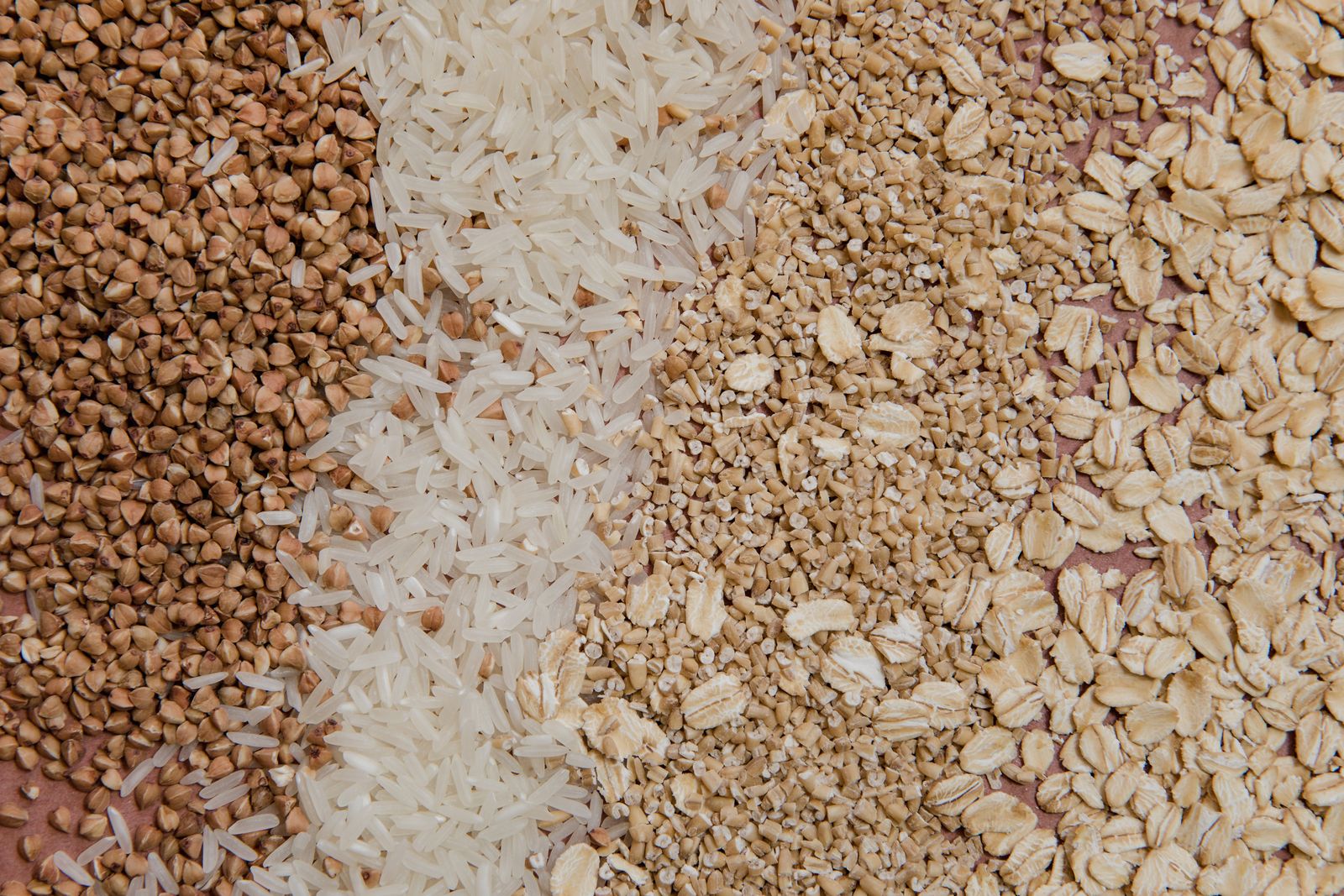
- Wholegrains: wholemeal bread, brown rice, oats, bulgur.
- Pulses: lentils, chickpeas, beans.
- Vegetables and fruit.
- Potatoes with their skins on.
- Unsalted nuts and seeds.
Ideally, mix different sources.
Ideas for every meal
- Breakfast: porridge or wholemeal toast with fruit.
- Lunch and dinner: wholewheat pasta or brown rice, and pulses in stews, curries and salads.
- Snacks: fresh fruit, vegetable sticks, rice cakes or a handful of nuts.
A label tip: a food with 6 g of fibre or more per 100 g counts as high-fibre.