
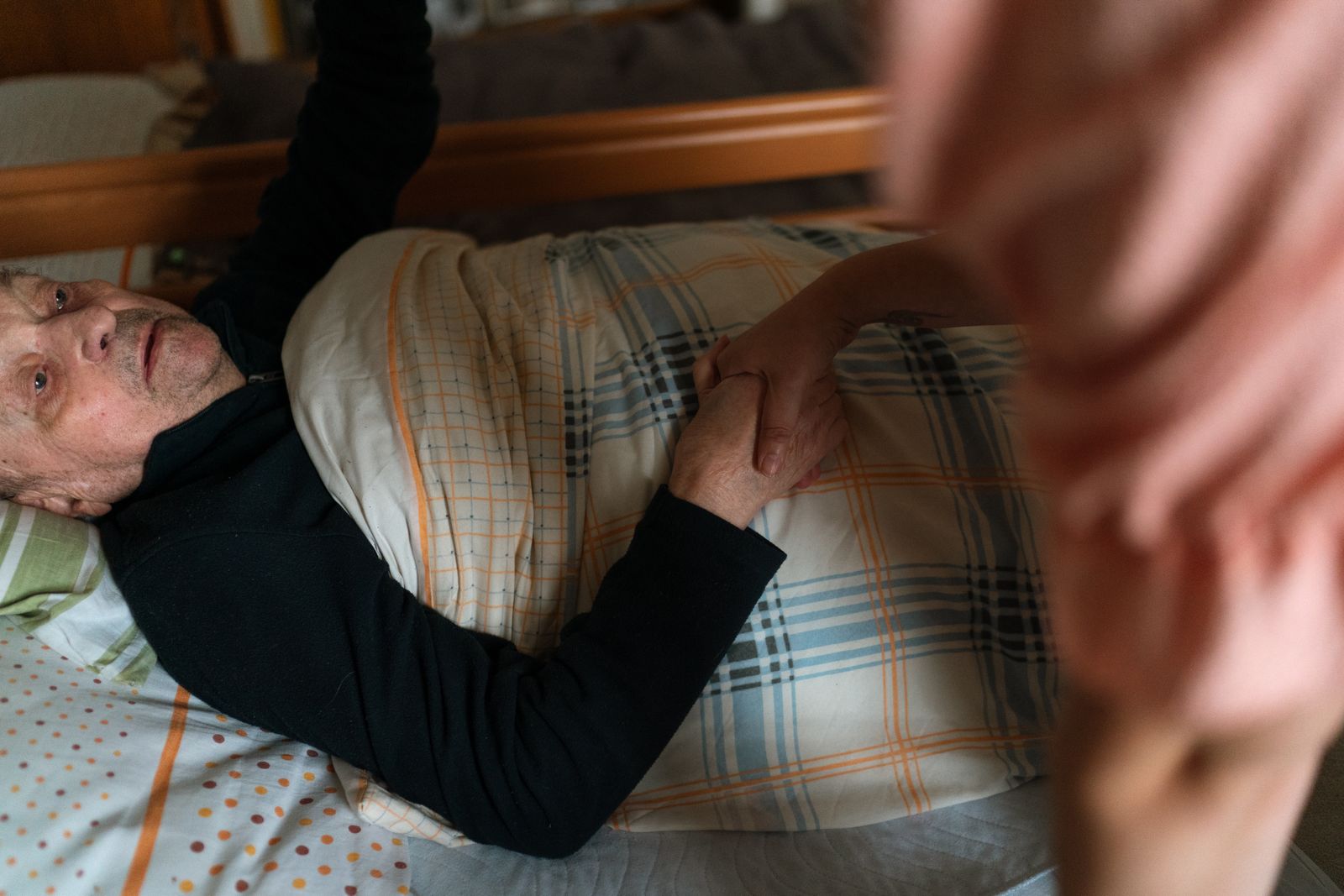
Some people devote their lives to caring: for others, for a cause, for a community. And they are often the ones who care for themselves the least.
Self-care as a political act
South African law professor Lisa Chamberlain, writing in the human rights journal SUR (2020), focuses on human rights defenders. Many work under enormous pressure, in a culture of self-sacrifice that leads to burnout. For her, self-care is not indulgence: it is part of the work.
From individual to collective
When one person looks after themselves, or burns out, the whole team feels it. That is why self-care must be a shared responsibility, and organisations must turn it into collective care.
- Clear working hours and limits on after-hours messages.
- Real holidays, with no work contact.
- Monitoring workloads and deciding together what to take on.
- Flexibility for people with caring responsibilities.
- Spaces for rest and psychological support.
Leading by example
If leaders talk about self-care but never stop working, the guilt remains. And self-care mustn’t become one more thing to feel bad about.
If you care for others, you deserve care too. A yoga class can be one of those spaces.
Source: SUR – From self-care to collective care (Lisa Chamberlain).