A vegetarian diet can be very complete and healthy if well planned. According to the NHS, these are the basic food groups and the nutrients to watch.
The basics
- Fruit and vegetables: at least five portions a day.
- Starchy foods: just over a third of what we eat, ideally wholegrain.
- Dairy or fortified alternatives: lower-fat, lower-sugar versions.
- Varied proteins: pulses, eggs, tofu, tempeh, nuts and seeds.
- Unsaturated oils: olive, sunflower or rapeseed, instead of butter or palm oil.
Nutrients to watch
- Iron: pulses, dried apricots, dark green leafy vegetables, wholemeal bread, nuts. Pair them with vitamin C to absorb it better.
- Vitamin B12: found naturally only in animal products (milk, cheese, eggs) or in fortified foods. If you eat few, make sure you have a reliable source.
- Omega-3: flaxseed and flaxseed oil, walnuts, chia, pumpkin seeds.
- Calcium: dairy, fortified plant drinks, green leafy vegetables and calcium-set tofu.
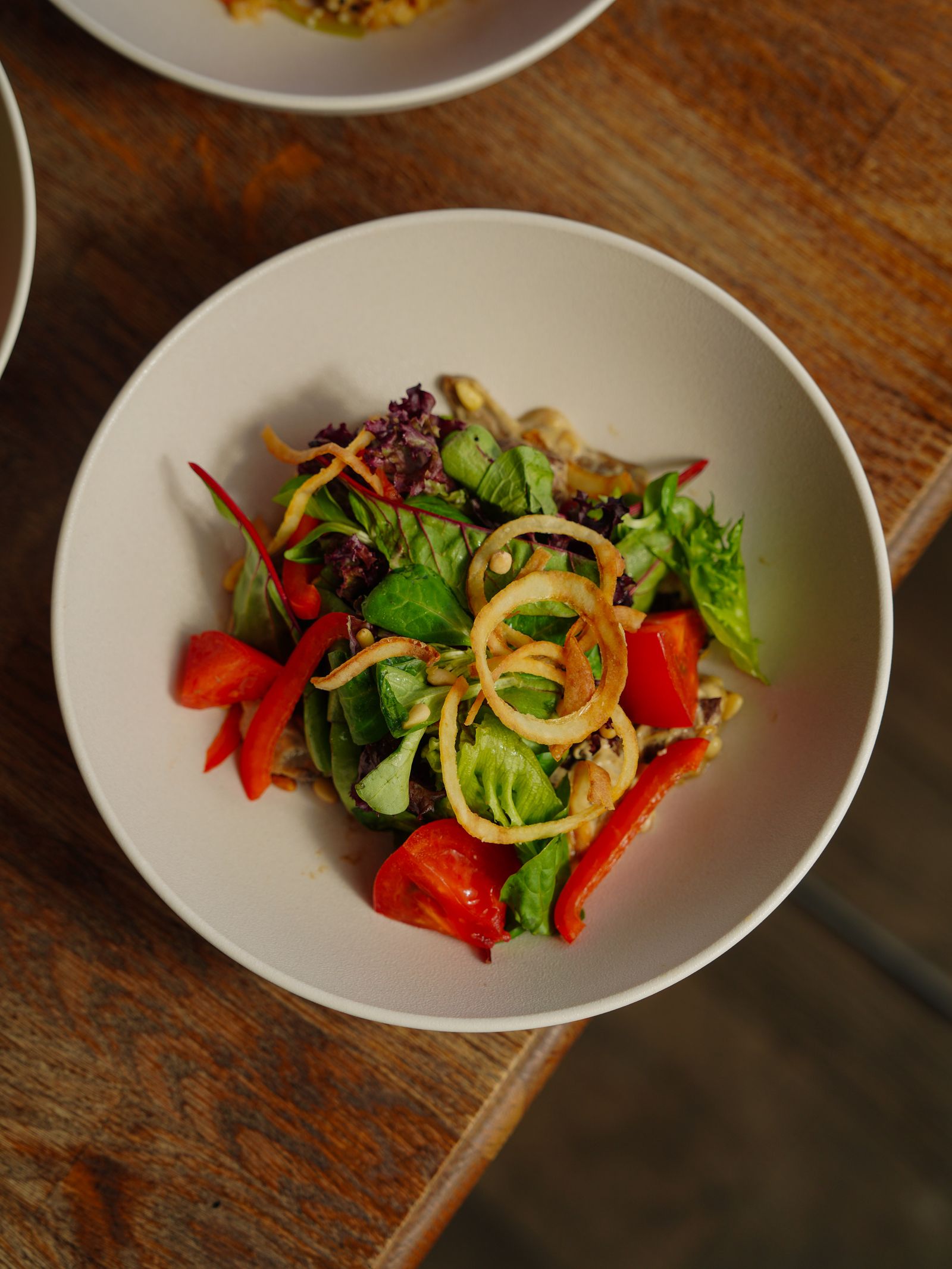
At Omshanti retreats the food is vegetarian, organic and seasonal. If you’re considering the change at home, talk to a nutrition professional.
Source: NHS — The vegetarian diet.