When we talk about hatha yoga, we mean a yoga that works with the body and the breath to reach the mind. The text that best captures it is the Hatha Yoga Pradipika, “light on hatha yoga”. It is more than five hundred years old and is still one of the key manuals for any practitioner.
Who wrote it
It was written by Svatmarama, a yogi of the Nath tradition, in the 15th century. He says himself that he invents nothing: he gathers and orders teachings that already existed, from masters such as Matsyendranath and Gorakhnath. His aim is clear: hatha yoga is a ladder to raja yoga, deep meditation.
What’s inside
The text is divided into four chapters:
1. Asanas. It describes 15 postures, most of them seated, such as siddhasana, padmasana and matsyendrasana. It says postures bring steadiness, health and lightness to the body. Nothing like today’s dynamic sequences yet.
2. Pranayama and cleansing. It explains how to control the breath and describes the six kriyas, or cleansing techniques, such as neti (nasal cleansing) and kapalabhati. It warns that pranayama must be practised patiently, like taming a lion.
3. Mudras and bandhas. It presents the energetic seals and locks, such as mula bandha, uddiyana bandha and jalandhara bandha, to direct vital energy.
4. Samadhi. It speaks of the inner sound (nada), the stillness of the mind and the state of union that is the goal of the whole practice.
Why it matters
The Hatha Yoga Pradipika is a bridge between ancient and modern yoga. Many of the posture names, breathing techniques and bandhas we use in class today appear in writing in it for the first time, or clearly. Teachers like Krishnamacharya knew it well and built it into the way they taught.
It also reminds us of something important: for Svatmarama, postures were not the goal. They were the preparation for sitting in silence.
On the mat
Try the Pradipika sequence in miniature: two minutes seated in a comfortable posture, five rounds of gentle kapalabhati, then five minutes listening to the silence. Body, breath and mind, in that order.
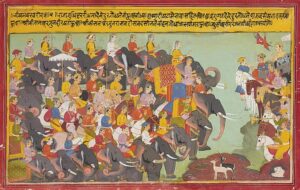
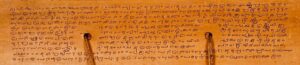
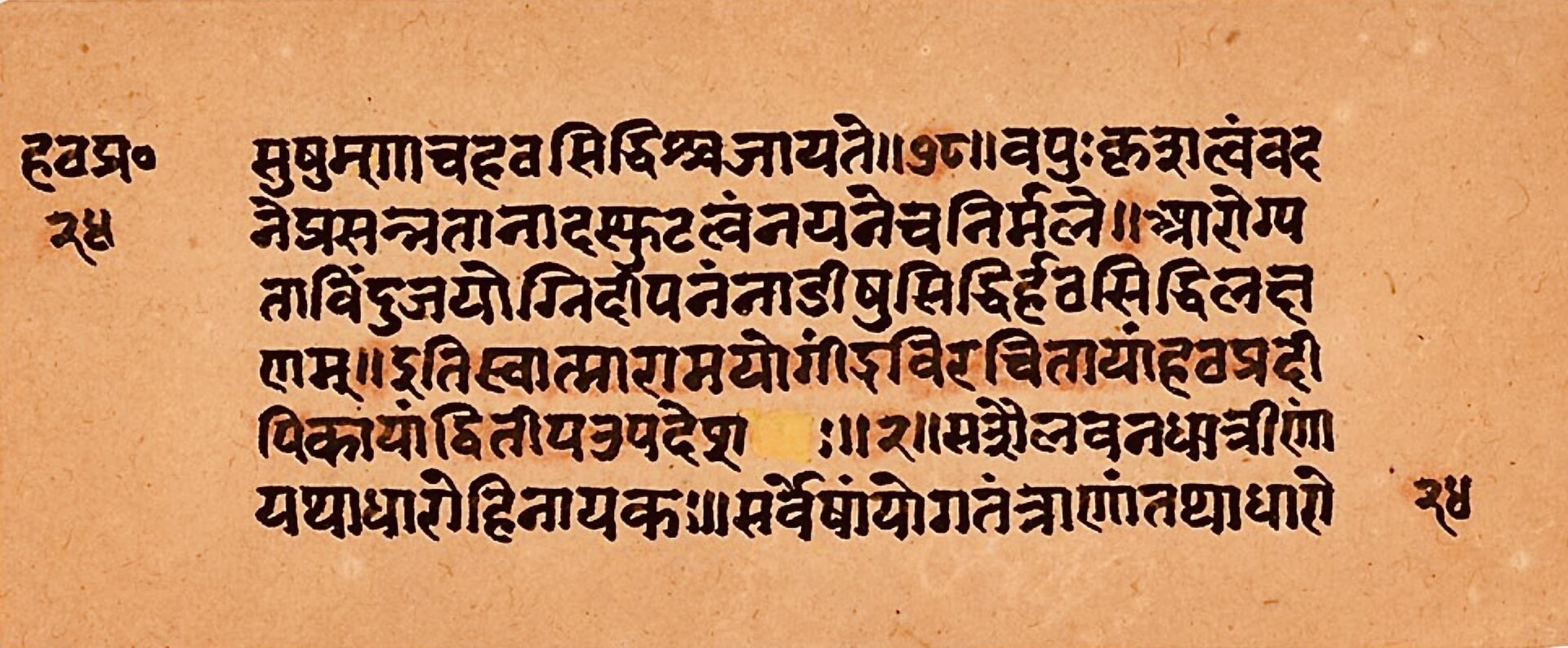
Image: 19th-century manuscript of the Hatha Yoga Pradipika, by Ms Sarah Welch, CC BY-SA 4.0.
Source: Wikipedia.