K. Pattabhi Jois (1915–2009) developed and spread ashtanga vinyasa yoga, the flowing, demanding style practised in studios all over the world today. Along with B.K.S. Iyengar, Krishnamacharya’s other great student, he is one of the key figures of modern yoga.
A boy who watched a demonstration
He was born in 1915 in Kowshika, a village near Hassan in present-day Karnataka, into a family of priests and astrologers. His father taught him Sanskrit and rituals from the age of five.
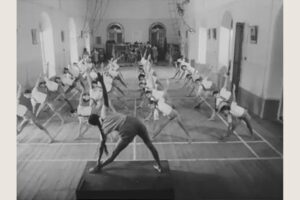
In 1927, aged 12, he watched a demonstration by Krishnamacharya and became his student the next day. In 1930 he left for Mysore with two rupees in his pocket to study Sanskrit, and there he was reunited with his teacher. He studied with him for decades and assisted him in classes and demonstrations at the Jaganmohan Palace.
Mysore
From 1937 to 1973 he taught yoga at the Sanskrit College in Mysore. In 1948, with the help of students, he bought a house in the Lakshmipuram neighbourhood and founded the Ashtanga Yoga Research Institute there. In 2002 he opened a new school in Gokulam to welcome more students.
In 1958 he published *Yoga Mala* in Kannada; it was translated into English in 1999.
How it reached the West
- In 1964, Belgian André Van Lysebeth studied with him for two months. His book *J’apprends le yoga* (1967) included Jois’s address, and many Westerners began travelling to Mysore.
- In 1975 he spent four months in Encinitas, California, the start of ashtanga in the United States.
The method
Ashtanga vinyasa combines asana, vinyasa (breath and movement), pranayama, bandhas and drishti (gaze point). It is practised in fixed series and passed from teacher to student, in what is called *parampara*. Jois said the method came from an ancient text, the *Yoga Korunta*, which Krishnamacharya claimed to have studied. No copy, however, has ever been examined.
The shadows
We cannot talk about Pattabhi Jois without talking about harm. In his lifetime, many students were injured by his often forceful adjustments. After his death, many people, women and men, described how he had sexually abused students over many years, sometimes under the guise of adjustments. Several well-known ashtanga teachers have corroborated this. In 2019 his grandson Sharath Jois publicly apologised for his grandfather’s “improper adjustments” and acknowledged he had witnessed some.
Remembering this matters: yoga must be a safe space, and no teacher, however great their contribution, is above respect for the body and consent of the person practising.
The legacy
Today ashtanga is practised in communities around the world. Many schools have rethought how they adjust and put consent at the centre. At Omshanti, that is our commitment too.
On the mat
Try the foundation of ashtanga: soft, audible ujjayi breathing, and a steady gaze on one point in each pose. Keep the same breathing rhythm from start to finish. The discipline of ashtanga can be a gift, as long as it respects your limits.
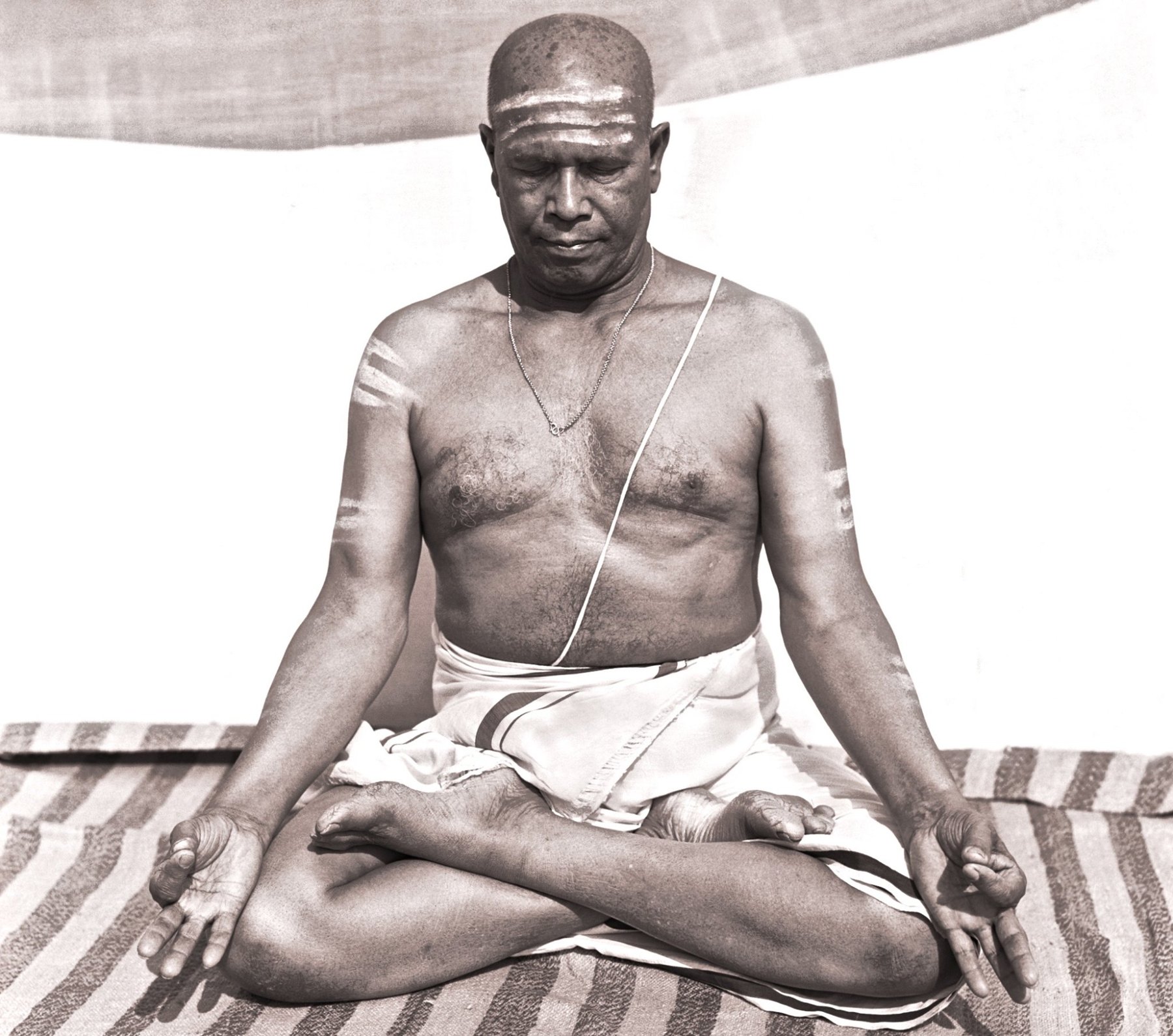
Photo: K. Pattabhi Jois.
Source: Wikipedia.