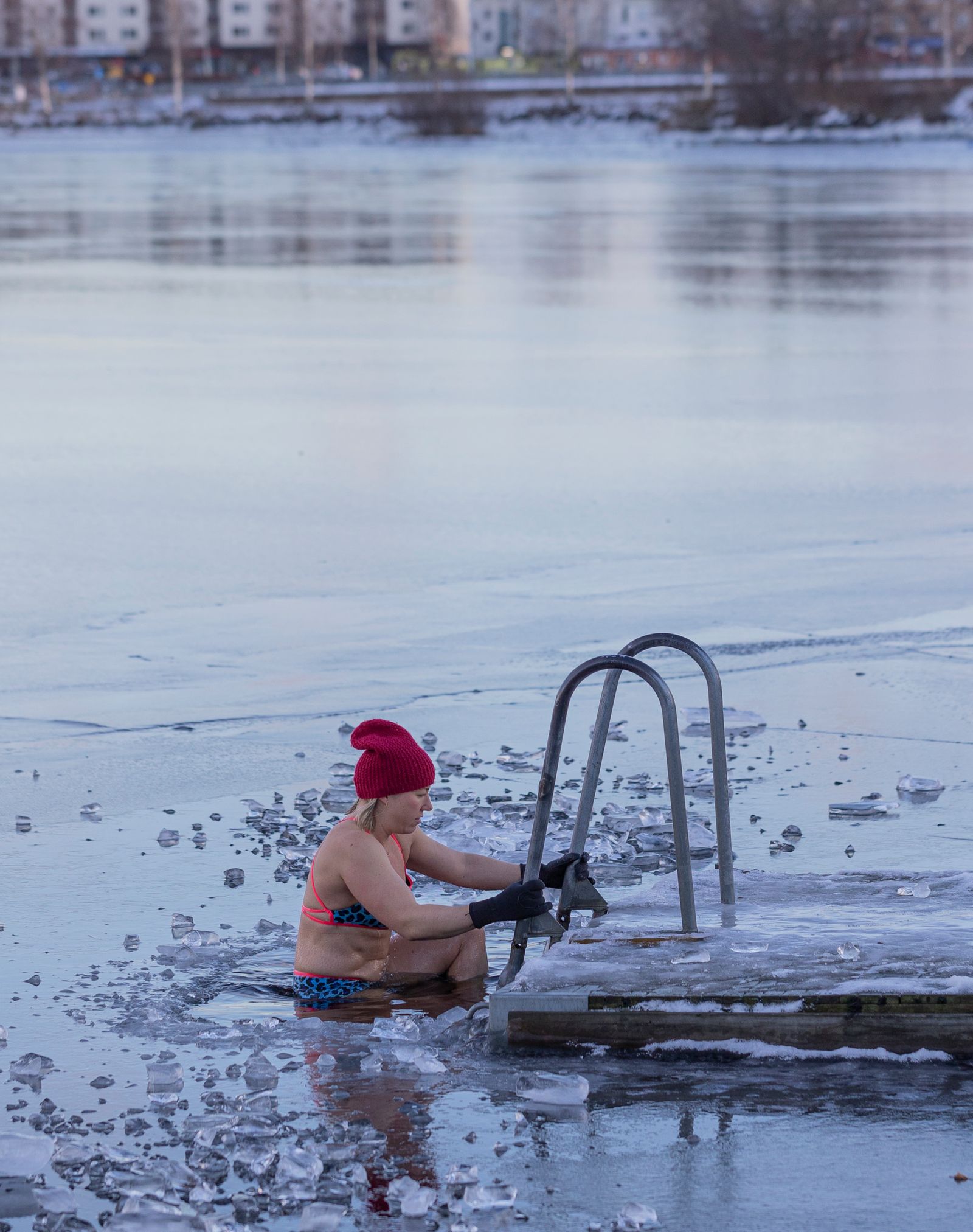
Ice baths, cold lake swims, cryotherapy… Cold-water immersion has become popular for sports recovery and stress relief. It is an ancient practice, but what do we actually know? Clinical exercise physiologist Carol Harrison, of the MD Anderson cancer centre in Texas, reviews the possible benefits and, above all, the precautions.
What it may offer
- Muscle recovery. Applying cold within a couple of hours of endurance exercise may reduce inflammation: blood vessels narrow and blood flow slows. This may delay soreness and help repair muscle fibres.
- Metabolism. Cold triggers shivering and activates brown fat, which burns calories as the body rewarms. Heart rate and energy output also rise.
- Blood sugar. Over time, a more active metabolism may help regulate glucose. Shivering works the muscles in a way similar to exercise, but an ice bath does not replace exercise or a healthy diet.
- Mood. Cold water releases dopamine and norepinephrine, chemical messengers that regulate mood, focus and physical function. Some people find relief from symptoms of anxiety or low mood.
- Immunity. Some studies suggest it stimulates white blood cell production and that cold plungers take fewer sick days, but more research is needed.
To be clear: the evidence is promising but still limited on several of these points.
The risks
- It is uncomfortable for many people, and it can be dangerous if the water is very cold or moving (river, sea, lake).
- Doing it right after strength training or weightlifting may blunt muscle gains.
- Hypothermia and frostbite: staying in for more than a few minutes can cause them. Have towels and warm clothes ready.
- Cardiovascular shock: sudden cold spikes heart rate and causes gasping, breathlessness and even arrhythmia. In water, the mental confusion it brings is especially dangerous.
Who should avoid it
- People with high blood pressure or heart disease: check with your doctor first, as cold can raise blood pressure or worsen heart problems.
- People with breathing problems such as asthma: the shock can trigger an attack and strain the heart, lungs and blood vessels.
- If you are in medical treatment, pregnant or unsure, talk to your healthcare team first.
Starting safely
- Don’t plunge if the water is below 10 °C (50 °F), and use a thermometer.
- Start with 30 seconds or less, perhaps an arm or leg first. If you tolerate it, build up to a maximum of 3 to 5 minutes.
- You can repeat on the same day with breaks (30 seconds in, 2 minutes out, 30 seconds again) or plunge on consecutive days.
- Work up to about 11–12 minutes in total per week.
- A controlled setting such as a bathtub is best. A lake only if it is safe and you can get out quickly.
- Keep your head above water.
- When you get out, dry off and dress warmly straight away.
Breathing with the cold
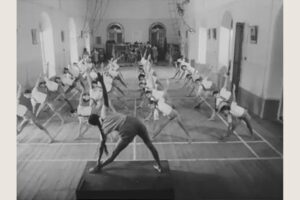
Cold shock is, above all, a breathing reaction. Yoga helps here: before you go in, take a few slow breaths through the nose, with the exhale longer than the inhale. In the water, try to keep that rhythm instead of gasping. And if one day your body says no, listen: that is practice too.
Source: MD Anderson – Does a cold plunge have health benefits?.