As the moon wanes in the month of Phalguna, one of the most special nights of the Hindu calendar arrives. Maha Shivaratri celebrates the divine union of Shiva and Mother Parvati, and it is said that the universe came into being on this mystical night: the triumph of light over darkness.
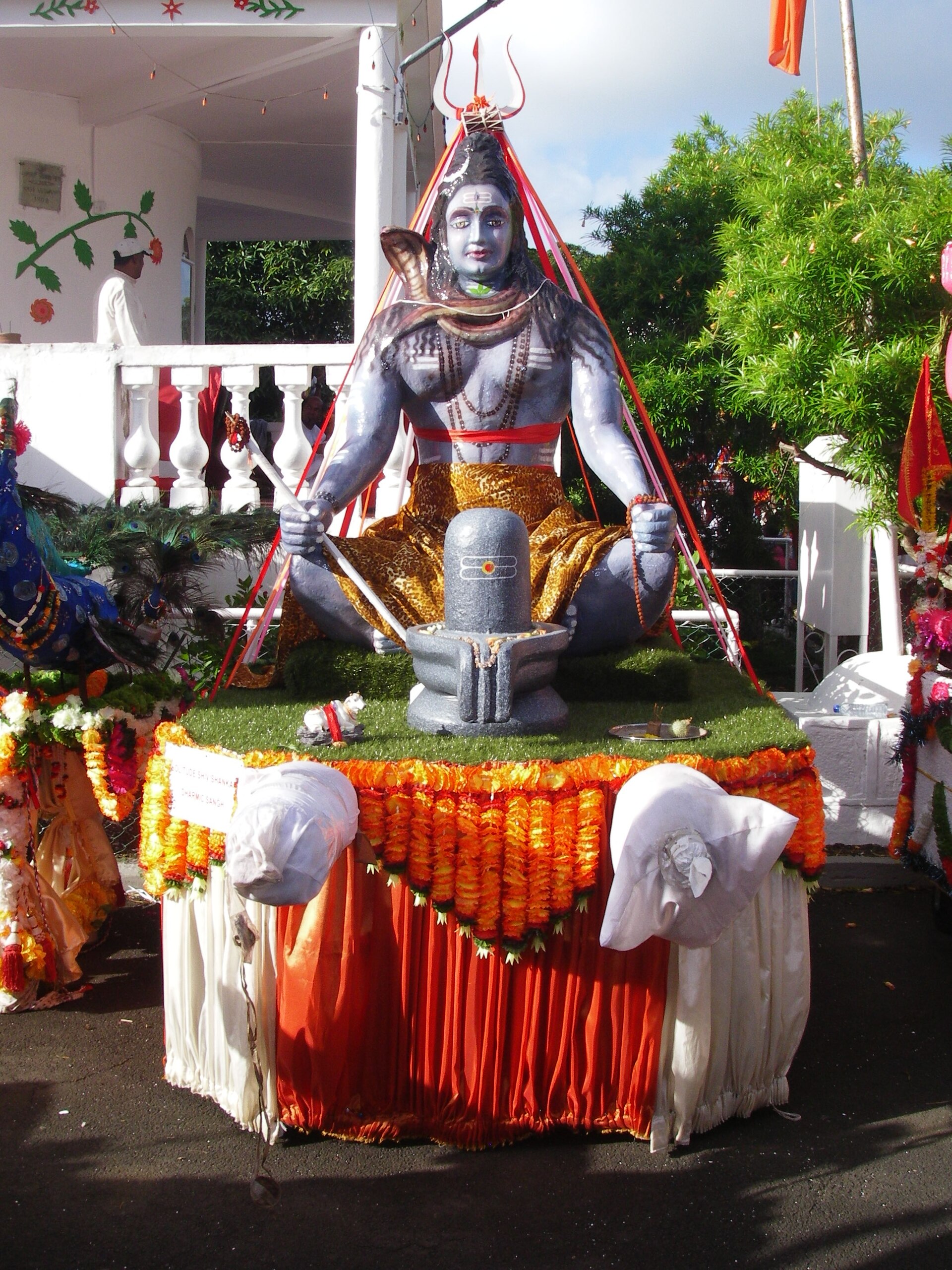
On this day, Shiva temples are adorned with marigold garlands and diyas, oil lamps. Devotees perform abhishekam, bathing the Shiva lingam with milk, honey and sacred offerings, as the air fills with the chant *Om Namah Shivaya*. Many fast: a physical and mental discipline to turn inward and receive blessings. It is a night to celebrate Shiva, the destroyer and regenerator, the embodiment of cosmic energy.
A night of natural energy
According to ancient yogic science, the fourteenth day of every lunar month, Shivaratri, brings a natural upsurge of energy in human beings. But Maha Shivaratri, in February or March, is considered the most powerful. The position of the northern hemisphere that night is said to create a surge of energy that lifts us towards a spiritual peak. To harness it, the tradition of an all-night festival was established.
A key element is staying awake all night with an upright spine. It is believed this opens us to that positive energy, gradually transforming us and aligning body, mind and soul.
More than a celebration, it is a night for overcoming darkness and ignorance, in life and in the world. The sacred stillness of night fills with the energy of devotees reciting prayers, chanting hymns and keeping vigil until dawn.
Rituals of the day
- Devotees rise early for a ritual bath, ideally in the purifying waters of the Ganges, and pray to the Sun, Vishnu and Shiva.
- After bathing, they put on new clothes and visit the nearest Shiva temple.
- At the temple, priests perform abhishekam: bathing the lingam with milk, honey, water and other symbolic elements.
- Offerings include ber (jujube) fruit, betel leaves and bilva leaves.
Dance and pilgrimage
Maha Shivaratri has long been a meeting point for the arts. Major temples such as Konark, Khajuraho, Pattadakal, Modhera and Chidambaram host annual dance festivals. Chidambaram holds Natyanjali, “worship through dance”, showcasing ancient mudras from the Natya Shastra. Khajuraho hosts a grand fair and dance festival that draws Shaiva pilgrims from far and wide.
Many make pilgrimages to the twelve Jyotirlingas, Shiva’s great shrines, such as Kashi Vishwanath in Varanasi, Somnath in Gujarat or Mahakaleshwar in Ujjain.
The legends
Besides the creation of the universe and the union of Shiva and Parvati, other legends add to the night:
- When gods and demons churned the ocean of milk for amrit, the elixir of life, the first thing to emerge was Halahala, a deadly poison. Shiva drank it, saving the three worlds from destruction.
- It is also said to be the night Shiva dances the Tandava, the celestial dance of creation, preservation and destruction.
Renewing the soul
Maha Shivaratri is a chance to connect with the vast emptiness within every human being, the source of all creation. Devotees believe spiritual practice on this night bears manifold fruit, freeing them from the weight of negative karma.
May this night be not only a vigil, but a deep awakening.
Where and when
Celebrated across India on the waning-moon night of Phalguna, in February or March; in 2026, on 15 February.
On the mat
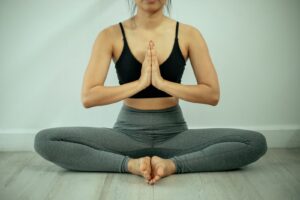
On Shivaratri night you could sit with an upright spine, chant *Om Namah Shivaya* 108 times and rest in silence in the dark.
Source: Incredible India – Maha Shivratri.
Image: Navneesh Ramessur, Wikimedia Commons, CC BY-SA 4.0.