As the full moon rises serenely over monasteries, stupas and sacred rivers, a hushed reverence settles across India. Buddha Purnima, also called Vesak, is one of the most sacred festivals of the Buddhist calendar. It commemorates three defining moments in the life of Gautama Buddha, believed to have happened on the full-moon day of the month of Vaishakha:
- His birth.
- His enlightenment.
- His mahaparinirvana, his passing.
More than a religious observance, it is a profound reminder of peace, mindfulness, compassion and the path to inner awakening.
Spiritual meaning
Buddha Purnima recalls the journey of Prince Siddhartha of Lumbini, who renounced royal life in search of truth and attained enlightenment under the Bodhi tree at Bodh Gaya. His teachings, the Dharma, offer timeless wisdom for overcoming suffering through ethical living, wisdom and meditation.
The full moon symbolises clarity of mind and spiritual illumination, making the day especially auspicious for reflection, prayer and self-discipline. Devotees believe acts of kindness and charity on this day carry multiplied spiritual merit.
Rituals and observances
Across Buddhist communities, the day unfolds with simple yet deeply meaningful practices:
- Monastery visits and prayers: at dawn, devotees visit viharas and stupas, offering flowers, incense and lamps to Buddha statues. Flowers symbolise impermanence; lamps, wisdom dispelling ignorance.
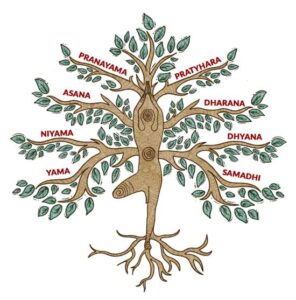
- Recitation of teachings: monks chant verses from Buddhist scriptures, bringing alive the message of the Middle Path and the Noble Eightfold Path.
- Dana, generosity: feeding the poor or donating clothes is central, reflecting compassion for all beings.
- Bathing the Buddha: in some regions, Buddha statues are bathed with water or milk, symbolising purification of mind and soul.
Where to experience it
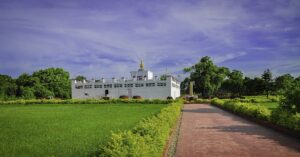
It is celebrated across India, especially in Bihar, Uttar Pradesh, Sikkim, Arunachal Pradesh and Himachal Pradesh. At Bodh Gaya, the Mahabodhi Temple and the great 64-foot Buddha statue are among the most iconic sites.
Experiencing Buddha Purnima in India is experiencing spirituality in its purest form: simple, humane and transformative. Whether as pilgrim, seeker or traveller, this full moon invites you to pause, reflect and walk, if only for a day, the path of compassion and wisdom. A day when silence speaks, the moon listens and the Buddha’s teachings light the way.
When
The Vaishakha full moon, in April or May; in 2026, on 1 May.
A practice
On this day you could offer a flower, light a candle and do a small act of generosity. Three simple gestures: impermanence, wisdom and compassion.
Source: Incredible India – Buddha Purnima.
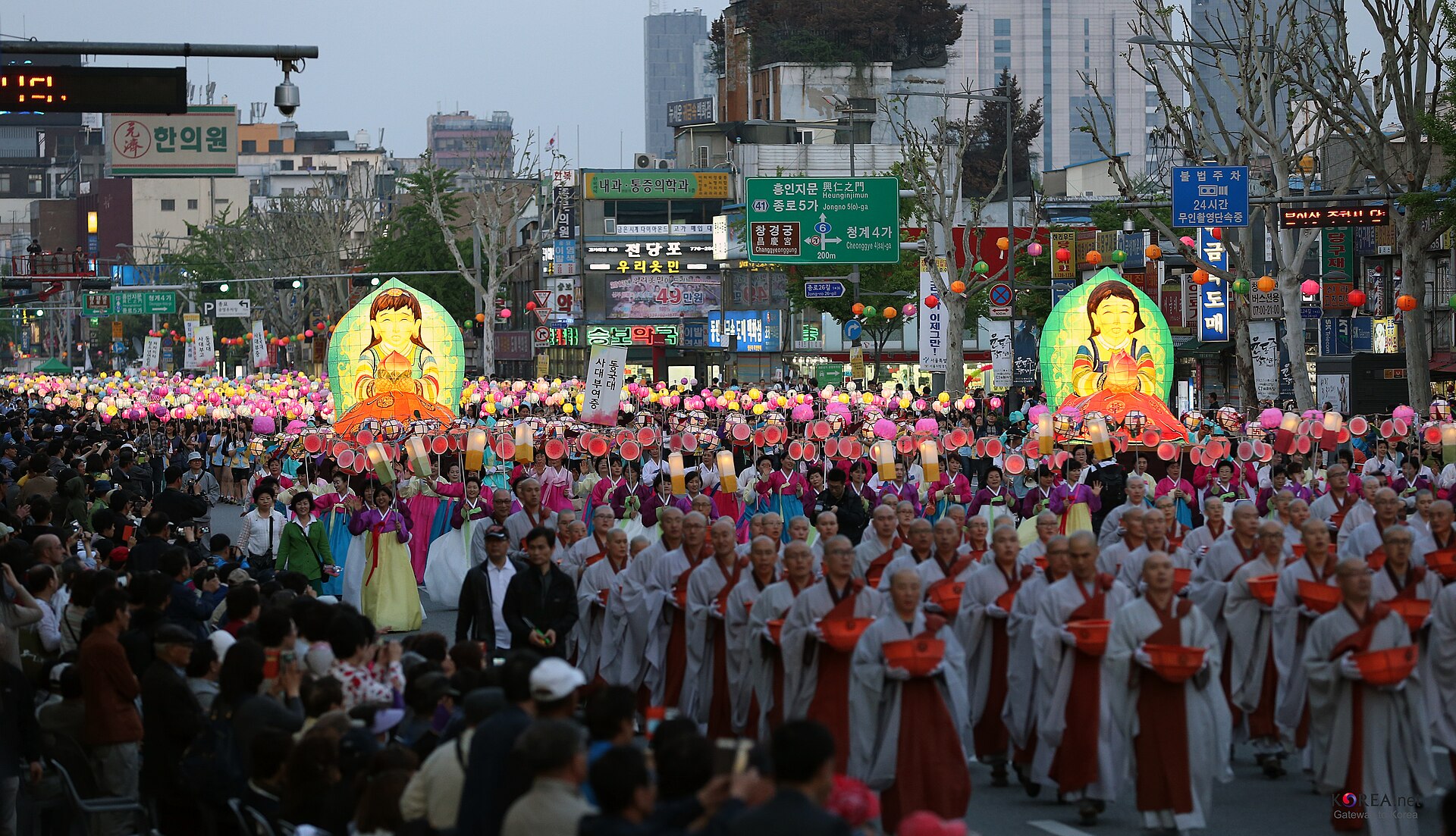
Image: Korea.net / Korean Culture and Information Service (Jeon Han), Wikimedia Commons, CC BY-SA 2.0.