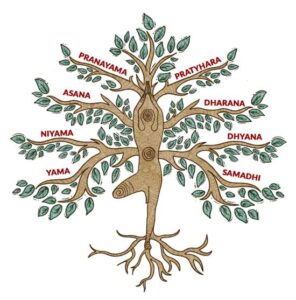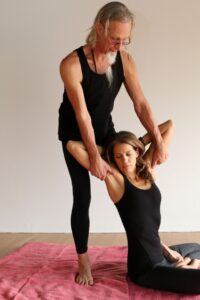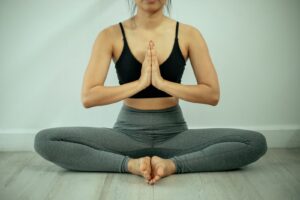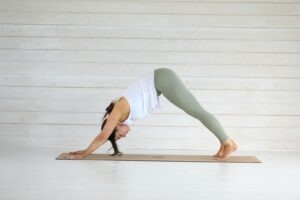
Among Patañjali’s eight limbs of yoga, Pratyahara is the fifth, the bridge between outer practice (postures and breath) and inner practice (concentration and meditation). It means withdrawing the senses from their objects, like a tortoise drawing its legs into its shell.
Why it matters
We live with our senses constantly turned outwards: screens, noise, notifications. The mind follows and scatters. Pratyahara doesn’t mean rejecting the world, but no longer being dragged by every stimulus and taking our attention back into our own hands.
Practices to start
- Body scan: lying down, move attention through each part of the body, from feet to head, changing nothing, just feeling.
- Still lake: imagine the mind as a lake. Each thought is a wave; let it settle until the water is clear.
- Rooted like a tree: seated, feel your contact with the floor and imagine roots growing down into the earth.
- Clearing the day: before sleep, replay the day like a film, without judgement, and let it go.
Relaxation and Pratyahara
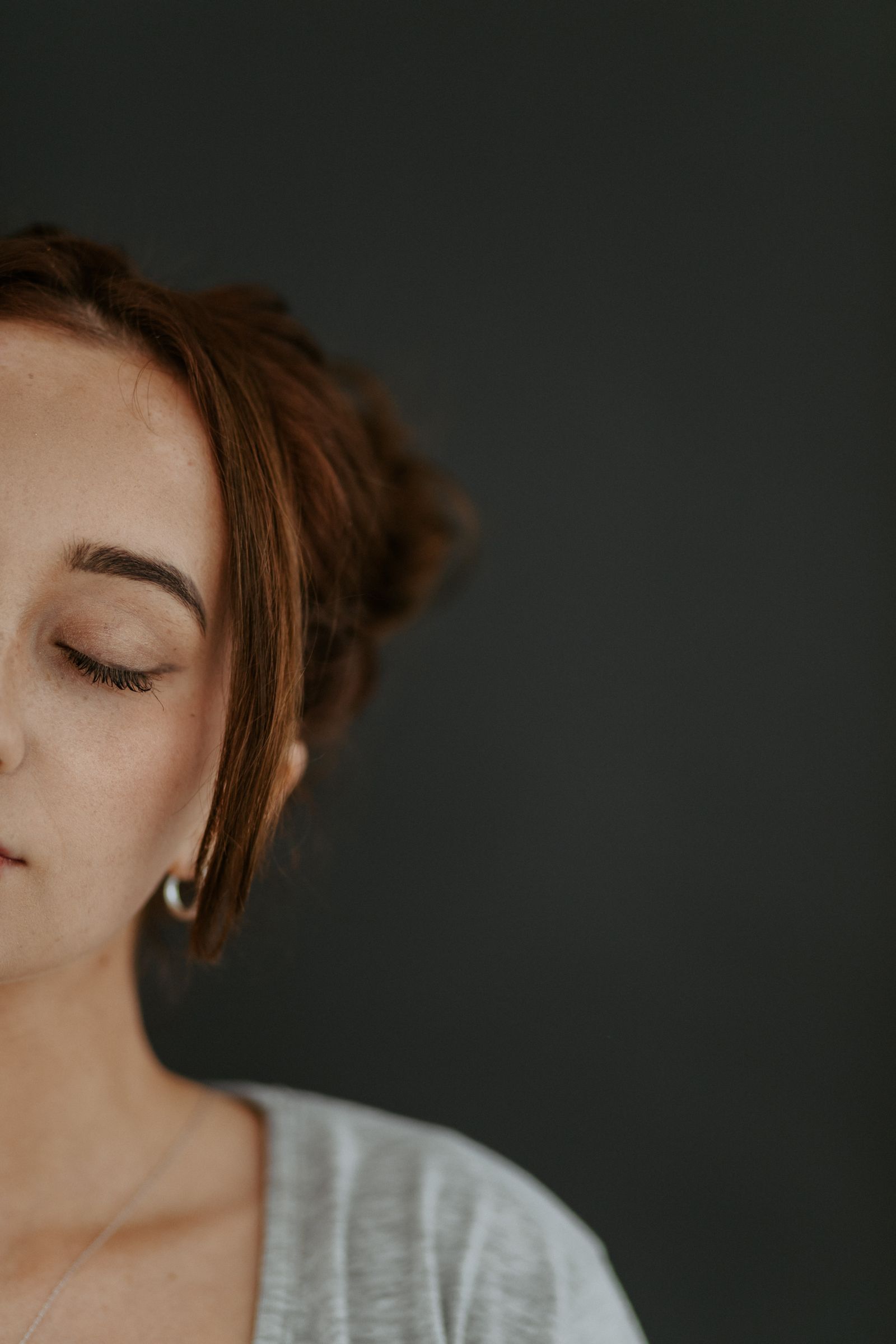
Final relaxation (savasana) and yoga nidra are forms of Pratyahara. When the body is still and attention turns inwards, the mind truly rests.