
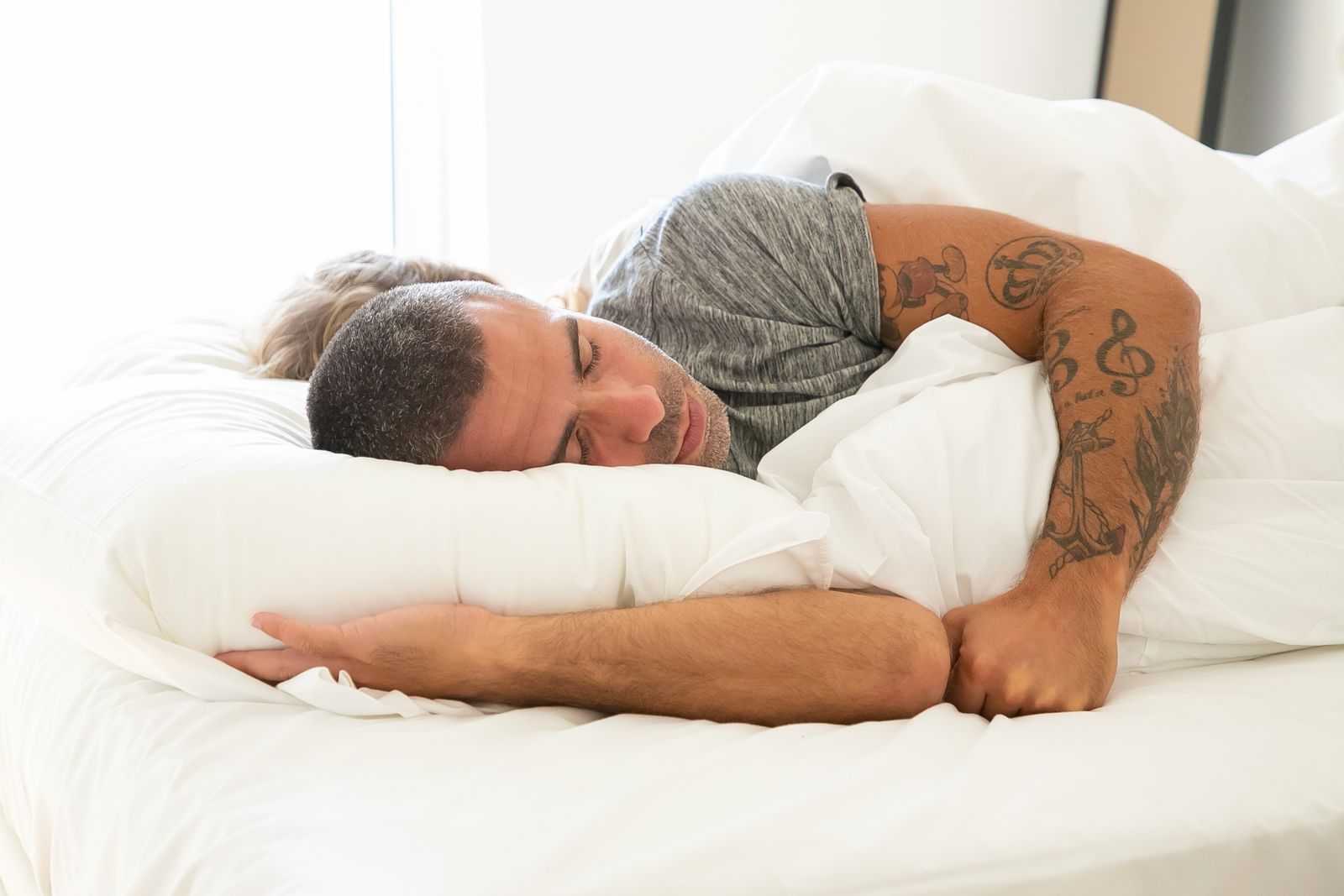
The US National Institutes of Health (NIH) remind us that good sleep, at the right times, is as essential as food and water.
How much sleep
Adults need 7 to 9 hours. Regularly sleeping less than 7 hours is linked to more health problems. And it isn’t true that older adults need less sleep: it simply becomes harder to get.
Why it matters
- It supports memory and learning.
- It regulates mood.
- It protects the heart and metabolism.
- It strengthens the immune system.
- It lets the brain clear waste built up during the day.
The body clock
Our circadian rhythms run on roughly 24 hours, guided mostly by light. Melatonin rises in the evening and makes us sleepy; morning light wakes us up. Artificial light and caffeine can confuse this clock.
Habits for better rest
- Go to bed and get up at the same time every day, weekends included.
- Get about 30 minutes of daylight each day.
- Avoid caffeine in the afternoon and alcohol in the evening.
- Put screens away an hour before bed.
- Keep the bedroom dark, cool and quiet.
- If you can’t fall asleep within 20 minutes, get up and do something calm.
Gentle yoga, a few minutes of slow breathing or yoga nidra can be a lovely ritual to end the day. If sleep problems persist, see your doctor.
Source: NIH – Healthy Sleep.