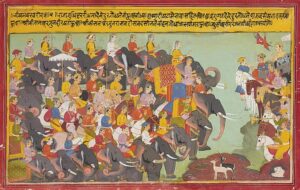
The Mahabharata: India’s great epic
A war between cousins, moral dilemmas and the Bhagavad Gita at its heart: why the world’s longest poem is also about us.

A war between cousins, moral dilemmas and the Bhagavad Gita at its heart: why the world’s longest poem is also about us.
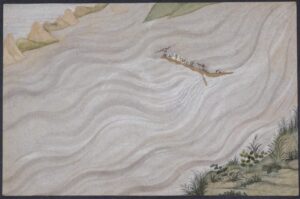
An exiled prince, a kidnapped princess and a devoted monkey: the epic India still celebrates every year at Diwali.
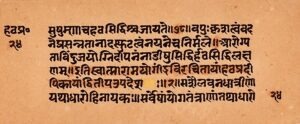
Asanas, pranayama, bandhas and mudras: the 15th-century text that put the techniques of hatha yoga into writing.
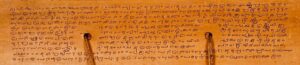
Sitting near the teacher and asking who we are: what the Upanishads are and why all of yoga philosophy draws on them.
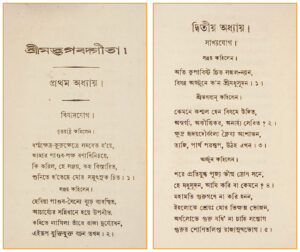
A warrior who doesn’t want to fight and a god who drives his chariot: why the Bhagavad Gita is one of the most important books in yoga.

The 14th-century mystic who left a hard life to seek inner freedom, and told of it in verses still recited in Kashmir today.
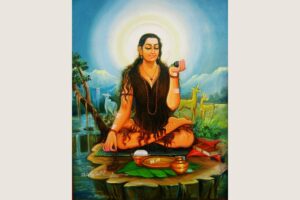
Poet, mystic and free: the yogini from Karnataka who defied India’s social norms to follow her spiritual path.
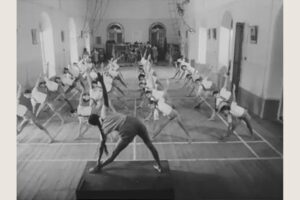
B.K.S. Iyengar’s daughter adapted her father’s method to women’s lives: menstruation, pregnancy and menopause.
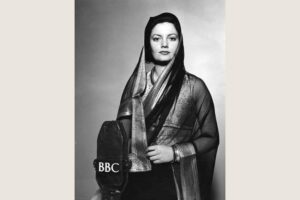
From Riga to Mysore, Shanghai, Hollywood and Buenos Aires: the incredible life of Krishnamacharya’s first Western woman student.
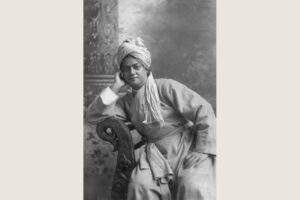
From the 1893 Chicago speech to the book Raja Yoga: how Swami Vivekananda opened the door of yoga to the West.
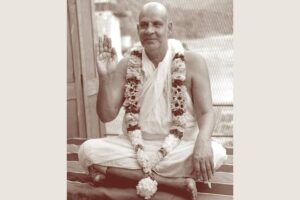
Doctor in Malaya, monk in Rishikesh and teacher of teachers: the life of Swami Sivananda and his “yoga of synthesis”.
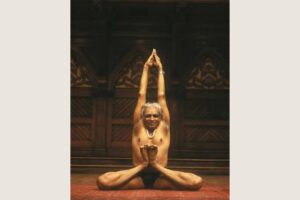
From a sickly child to one of the most influential teachers of the 20th century: the life of B.K.S. Iyengar and the method that bears his name.
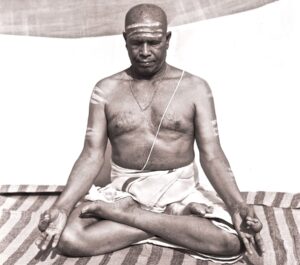
From Mysore to the world: the story of the teacher who spread ashtanga vinyasa, and the shadows that are also part of his legacy.
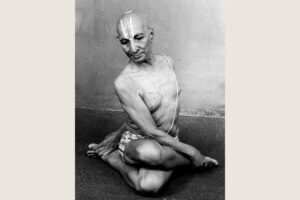
He never left India, yet almost all the yoga practised in the world today passes through him: Iyengar, Pattabhi Jois, Indra Devi and Desikachar were his students.
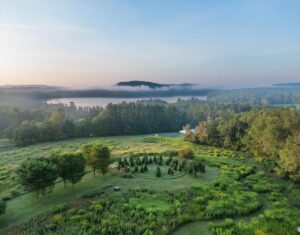
From a former Jesuit seminary in Massachusetts to North America’s largest yoga retreat centre: compassion, practice and community.
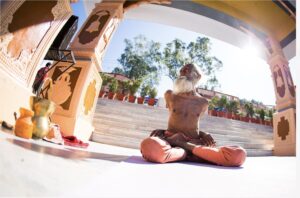
At Parmarth Niketan in Rishikesh, teachers from East and West and people from over a hundred countries gather every year to practise together.
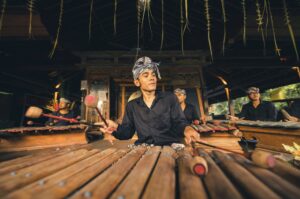
More than 5,000 people, hundreds of classes and concerts until midnight: the festival that brings yoga together with Balinese culture and care for the island.
From two studios and a small vegan café in 2007 to one of the world’s largest wellness centres, between rice fields and a sacred river.
The festival born from a family of yogis from Granollers: five days of yoga, music and dance in the heart of Barcelona.
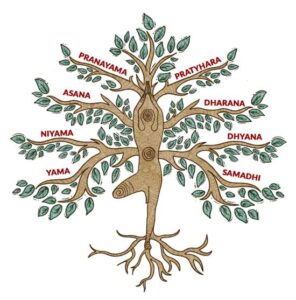
What is most characteristic of classical yoga is not its philosophy, but rather its psychology, that is, its study of the mind (citta) and the way to appease it (nirodha).
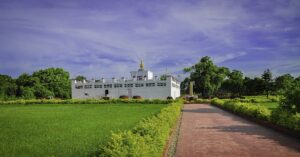
On Nepal’s Terai plains: the sacred garden, the Maya Devi Temple and the Ashoka pillar that confirms it.
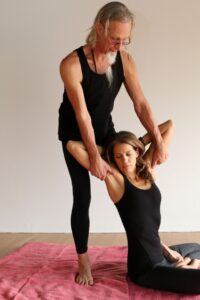
Every pose is a journey. How to make it mindfully to receive all its benefits.
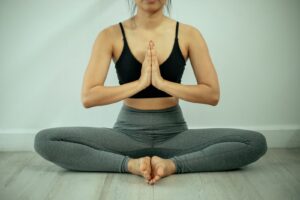
Asana means seat. Why postures exist, according to classical yoga, and what we look for when we practise them.

Rest isn’t a reward for having worked enough. A reflection based on Gloria Anzaldúa’s feminism.
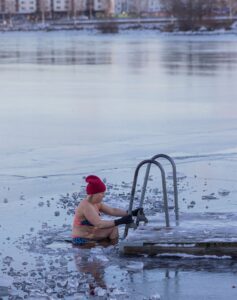
Cold plunging is trendy. What we know about its effects, what we don’t, and how to do it safely.
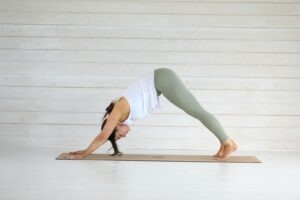
A handful of pose families give rise to all the others. Knowing them deeply changes how you practise.
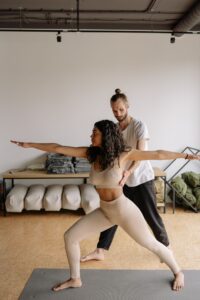
Adjustments only help when the student wants them. What affirmative informed consent means in a yoga class.
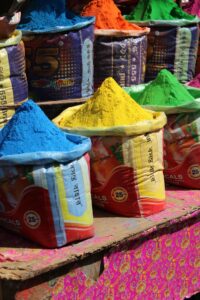
The arrival of spring, the victory of good and the love of Radha and Krishna, celebrated with coloured powder.
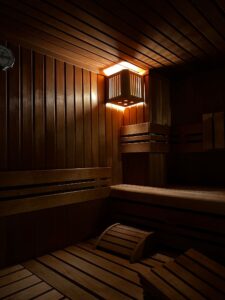
Sauna heat, combined with exercise, may help the heart. Benefits, how to start and when to be careful.
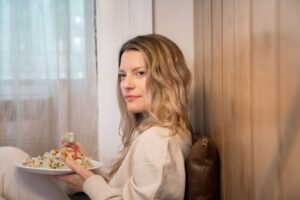
Eating slowly, without screens and with all five senses. Harvard tips for bringing mindfulness to the table.
You don’t need to empty your mind. Simple exercises to bring attention to the present, on and off the mat.

Burnout is not a badge of honour. How to sustain commitment without burning out, drawing on CEPAZ’s experience.

Purity, contentment, discipline, self-study and surrender. Yoga’s second limb, the inner work.
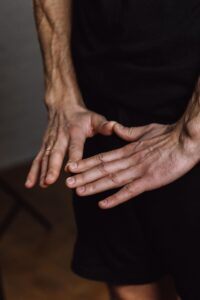
Symbolic gestures that accompany meditation and pranayama. The most common ones and the meaning of each finger.
Five minutes, counting to five. The breathing exercise the NHS recommends to calm down.
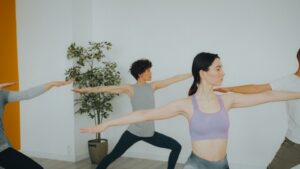
Hatha, restorative, Iyengar, vinyasa, hot yoga, ashtanga and power. Who each style suits.
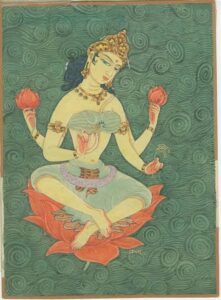
Contentment is neither a thought nor an emotion, but a state we can cultivate. In yoga philosophy it is called Santosha.
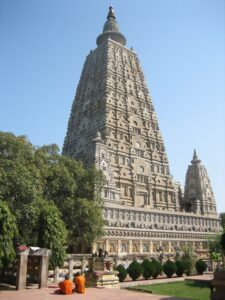
Buddhism’s holiest pilgrimage site. The Bodhi Tree, the brick temple and Emperor Ashoka’s legacy.
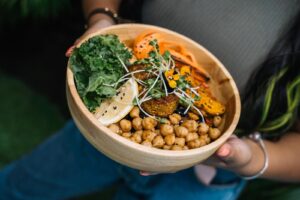
Fresh, living, seasonal foods that nourish the body and calm the mind. The basics of the yogic diet.
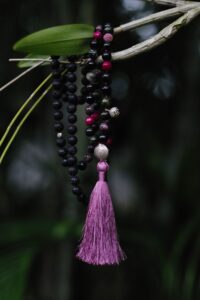
Co-founder of Jivamukti Yoga, she shares her daily sadhana: “The Magic Ten”.
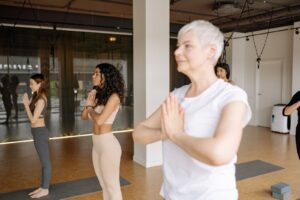
A study analysed 230 images from a yoga magazine: none showed a disabled person. What that tells us.
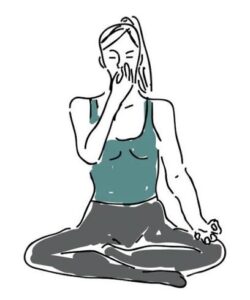
Alternating nostrils harmonises the two hemispheres and calms the mind. Step by step, with and without retention.
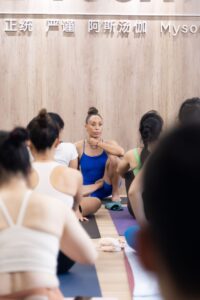
Centring, pranayama, warm-up, asana, relaxation and closing. How we organise a 90-minute class.
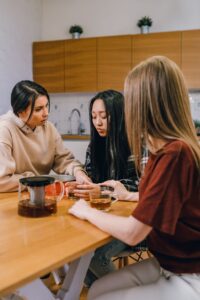
Accessible prices, modifications, representation and a cup of tea after class. How to build safe, open yoga communities.
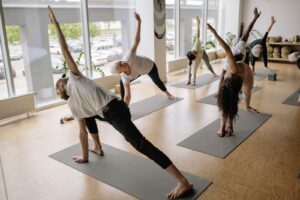
From hatha to ashtanga: the best-known styles and what yoga can offer body and mind.
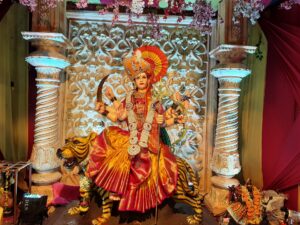
Nine nights for the nine forms of Durga. Fasting, meditation, garba and the victory of good.

Half vegetables and fruit, a quarter whole grains and a quarter protein. A visual guide from Harvard for every meal.
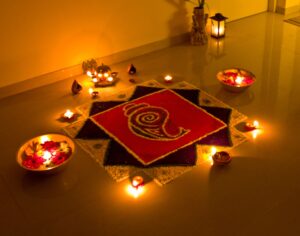
The victory of light over darkness. Five days of lamps, rangoli, sweets and family.
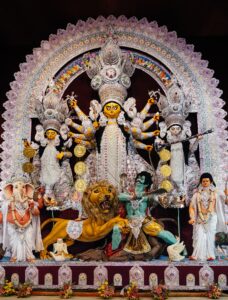
The goddess comes home with her children. Artistic pandals, monumental idols and the final immersion.
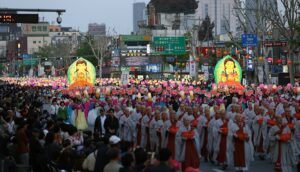
The Buddha’s birth, enlightenment and mahaparinirvana on a single full moon. Flowers, lamps and generosity.
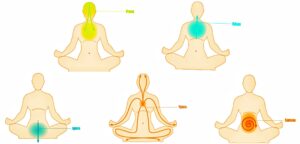
Vital energy moves in five directions within the body. Knowing them helps explain why practice balances us.
He lived for years in India, introduced Ram Dass to his guru and brought devotional chanting to the US.
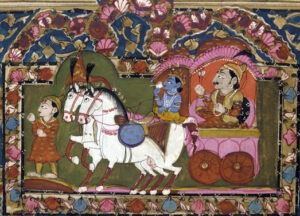
An ancient image for understanding the relationship between body, senses, mind, intellect and soul.

The fifth limb of yoga invites us to turn attention inwards. Simple practices to train it.
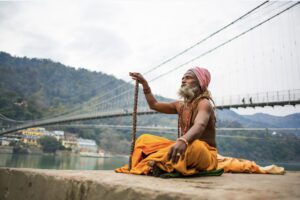
Ashrams on the Ganges, evening aarti and the Beatles’ legacy. The spiritual gateway to the Himalayas.
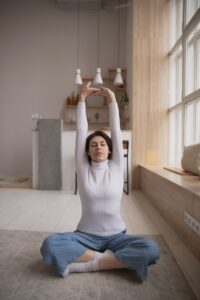
Three qualities that transform practice. How to keep a steady breath even in intense poses.
Non-violence, truth, generosity, moderation and non-possessiveness. Yoga’s first limb, brought into daily life.
What if mindfulness also helped us understand the social causes of our distress? The case for civic mindfulness.
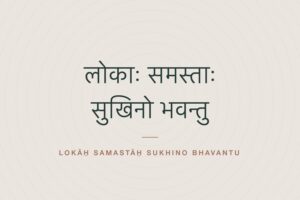
The mantra we close many practices with. Its meaning, pronunciation and why we love sharing it.
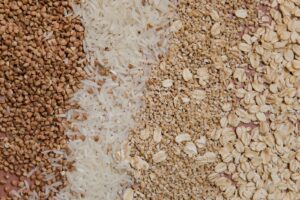
Most adults eat less fibre than recommended. Why it matters and how to add it to every meal.
Deep breathing, progressive muscle relaxation, meditation, yoga and tai chi. How to practise them, according to MedlinePlus.

A 100% natural juice, full of antioxidants and vitamins A, C and E, with a kick of ginger.
We often say we are meditating when we are actually concentrating. The difference between Dharana and Dhyana, made simple.
Short pratyahara practices we use in class: the inner sun, the still lake, the root, creating and clearing the day.
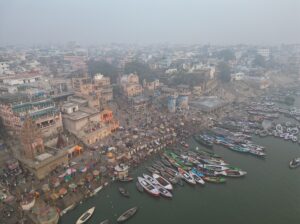
One of the world’s oldest living cities and a great Hindu pilgrimage centre. Ghats, aarti and Sarnath.
Discipline, self-study and surrender. What kriya yoga is according to Patañjali and how it’s practised today.
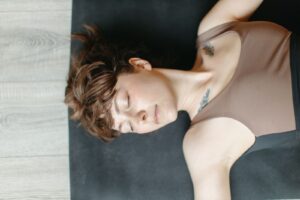
A deep guided relaxation, halfway between waking and sleep. What it is, how it works and its stages.
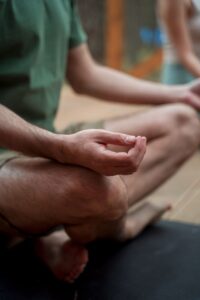
What mindfulness is and a simple five-minute exercise to get started, from the Catalan Society of Family Medicine.
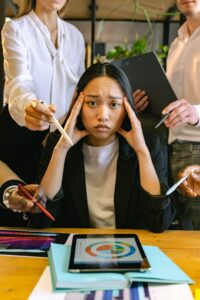
A critique of using meditation to put up with everything without questioning anything. The ideas of Ronald Purser, author of “McMindfulness”.
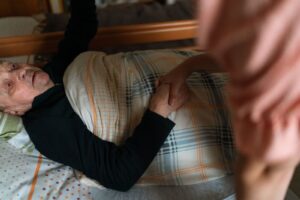
From self-care to collective care: why looking after ourselves can’t only be an individual responsibility.
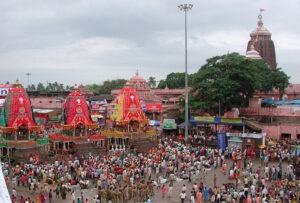
Jagannath, Balabhadra and Subhadra leave the temple on three great chariots pulled by thousands of devotees.
The Tibetan Buddhist mantra of compassion. What each syllable means and how to recite it.

How much sleep we need, why it matters so much and simple habits for better rest, according to the NIH.
Each movement of the Sun Salutation has its own inhale or exhale. A step-by-step guide to moving with the breath.
Active, rapid inhales and exhales, like a blacksmith’s bellows. A powerful pranayama for waking up energy.
Everything that exists is made of three qualities: balance, activity and inertia. Learning to recognise them changes how we care for ourselves.
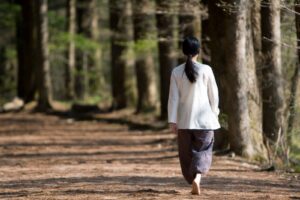
You don’t need to sit still to meditate. Walking slowly and attentively is also a doorway to calm.
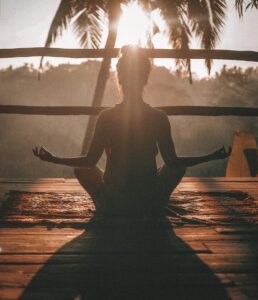
Beyond the poses: the origin of the word yoga and its deeper meaning as a path back to ourselves.
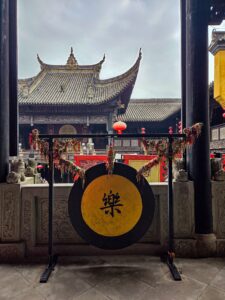
Founder of Golden Bridge in Hollywood and a pioneer of prenatal yoga. Her story and outlook.
“I am that.” A natural mantra that rides the breath and reminds us who we really are.
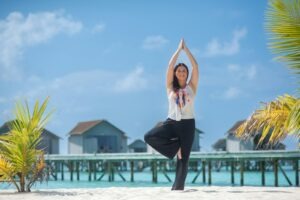
The key to any pose according to Patañjali: finding the balance between effort and ease.
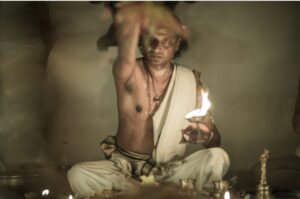
Fasting, an all-night vigil and offerings to the lingam. The night light overcomes darkness.
Language, cues, changing rooms and touch: small changes so everyone feels welcome in class.

Variety, plenty of vegetables and fruit, quality fats and less salt and sugar. The WHO’s basic recommendations, made simple.
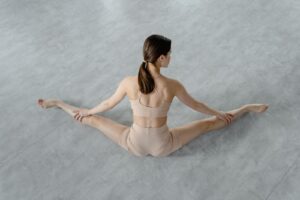
Mountain, tree, forward fold, plank, cobra and child’s pose: how to do them and tips to start well.
Yoga’s sister science. The three doshas and a few simple habits for living more in harmony with nature.
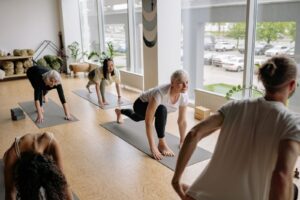
How long a class lasts, what happens and how to start safely. Based on MedlinePlus.
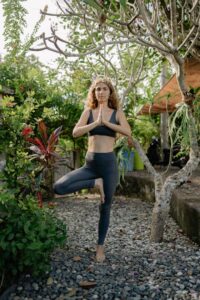
Structure, gravity, breath, drishti, mantra, silence. Anchors for keeping attention inside each pose.
According to yoga we are not just a body: we are five sheaths, from the physical to the most subtle. A map for understanding practice.
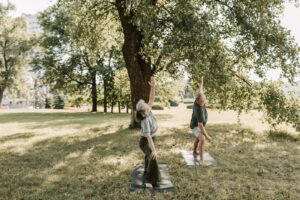
It’s never too late to start. What physical activity offers as we get older, according to the National Institute on Aging.
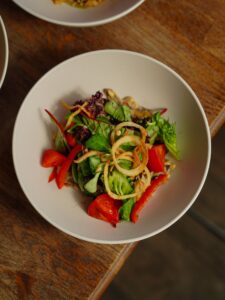
How to cover every nutrient on a vegetarian diet: iron, B12, omega-3 and calcium, and where to find them.
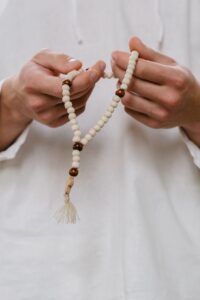
They met at Osho’s ashram and have sung mantras together for decades. For them, silence matters as much as song.
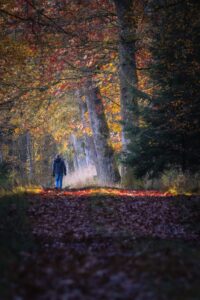
A study shows that a one-hour forest walk reduces activity in the amygdala, the brain region linked to stress.
She popularised vinyasa flow and then co-founded Off the Mat, Into the World to link yoga and social justice.
One of the great ashtanga teachers on hidden resistance, breath and community.
How much to drink, what counts and what to limit. The UK health service (NHS) recommendations, made simple.
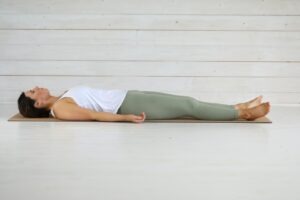
Corpse pose may be the hardest of all: staying still and letting go. Keys to make the most of it.
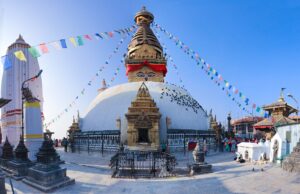
Seven monument zones where Hinduism and Buddhism meet: Swayambhu, Boudhanath, Pashupati, Changu Narayan and the Durbar squares.
A meditation for observing what happens outside and inside without interfering. From awareness of sound to silence.
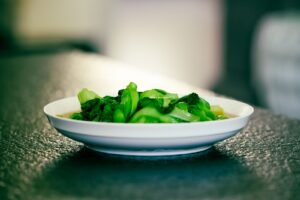
Building meals around plants and using animal foods as a complement. Practical ideas.
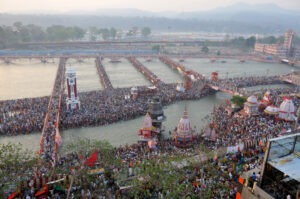
Millions of pilgrims bathe in sacred rivers. UNESCO intangible heritage since 2017.
Harp, guitar and mantras. The duo blending kundalini, sacred chants and Rumi’s poems.
Creator of Prana Flow, mother, surfer and devotee. The ideas of one of the most influential vinyasa teachers.

A year-round classic with a 100% vegan white frosting: no eggs, no dairy, no gluten and no refined sugar.
A short, positive, present-tense phrase we repeat at the start and end of yoga nidra. How to find yours.
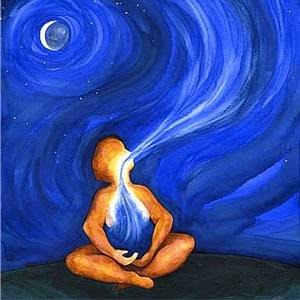
The full yogic breath joins belly, ribs and chest in a single wave. It is the foundation of every pranayama.
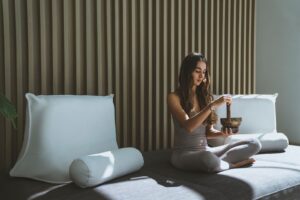
Having thoughts is part of meditation. How to start with 2–3 minutes and what to do when your mind wanders.
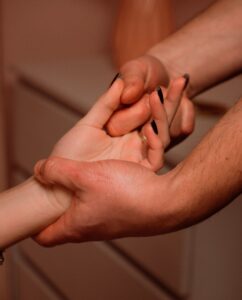
Relationships between equals, yamas and niyamas applied to teaching, and the limits of the teacher’s role.
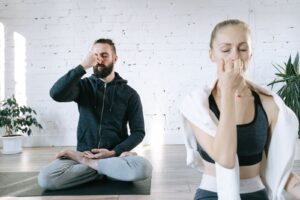
Inhaling and exhaling for the same count. A simple practice to find steadiness and calm in a few minutes.
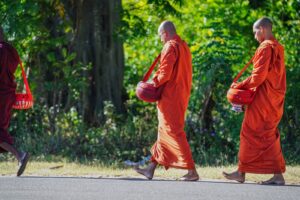
Thich Nhat Hanh, Martin Luther King and how contemplative practice can keep activism from burning us out.
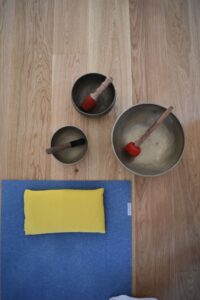
One of the best-known voices of sacred chant and kundalini. Singing together, seva and courage.

Loving-kindness, compassion, shared joy and equanimity. The four attitudes of the heart that sustain practice.
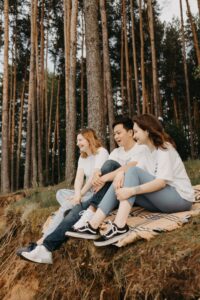
People with close relationships live longer and better. What NIH research says and ideas for building community.
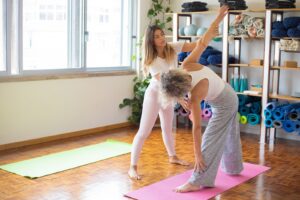
Why we prefer to talk about assists rather than adjustments, and the guidelines we follow when touching a student.
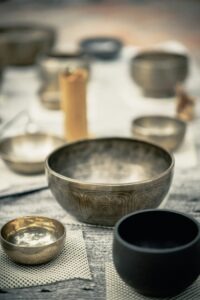
When to use it, when not to, and what kind. How to make music support practice rather than distract.
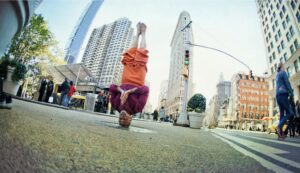
The “teacher’s teacher” who photographed himself in over 1,300 poses, yet says ethics matter more than asana.
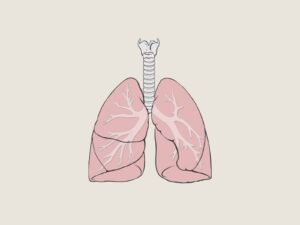
Author of “The Breathing Book”. Why release comes before strengthening, and why flexibility isn’t the goal.
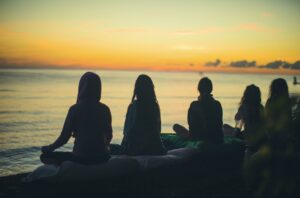
Types of meditation, key elements and ways to practise every day, according to the Mayo Clinic.
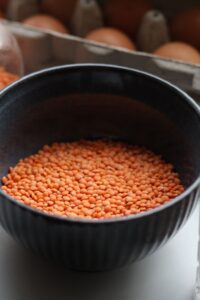
Lentils, chickpeas, beans and peas: a simple source of protein, fibre and iron. What research says and how to eat more of them.
Waking, dreaming, deep sleep and Turiya, the fourth state. A yogic map for understanding our experience.
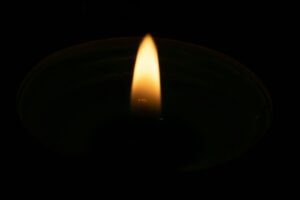
Gazing at a flame and then observing it with closed eyes. A classic technique for training concentration.
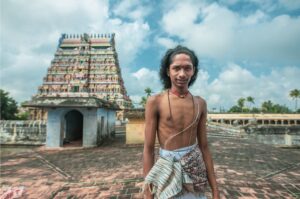
The Tamil festival of lights. Clay lamps, kolams and the great fire on the sacred hill of Tiruvannamalai.
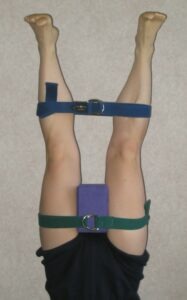
Physical therapist, Iyengar student and author of “Relax and Renew”. Why rest is not a luxury.
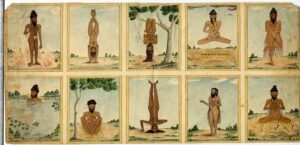
Yoga is the physical, mental and spiritual discipline that originated in ancient India, whose ultimate goal is the realization of the maximum potential of the human being.

Dreams speak about us. Simple habits to remember them better, before sleep and on waking.
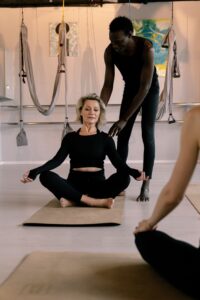
How we speak in class matters as much as what we teach. Guidelines for guiding with clarity and warmth.
Creator of Forrest Yoga, a style born from her own healing journey. Breath, body and truth.
An exhale with a humming sound that vibrates the head and quiets mental noise. Ideal for agitated moments.
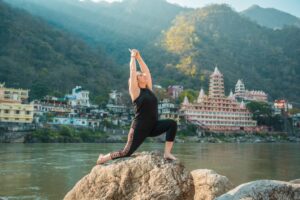
Cultural appropriation, commercialisation and respect for yoga’s origins. A reflection based on an article by Susanna Barkataki.
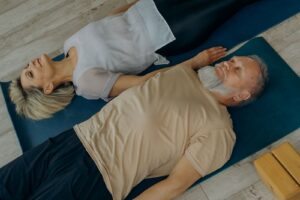
Few poses, lots of support and plenty of calm. The benefits of restorative yoga and five poses to try.
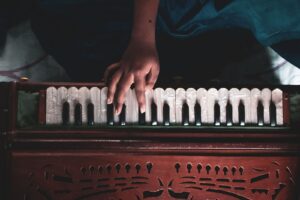
From playing rock on Long Island to chanting mantras around the world. The story of Western kirtan’s best-known voice.
Non-violence starts with how we treat ourselves when a pose doesn’t work out. A practical, daily look at ahimsa.
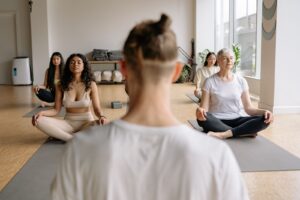
Yoga means union. How practice can help us look within and build tools against oppression.
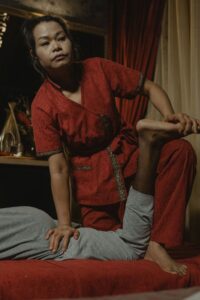
Pressure, stretches and movements in rhythm with the breath. A therapeutic art born of Buddhism that cares for giver and receiver alike.
The victorious breath creates a soft sound in the throat that helps us stay focused during asana.
One of the fathers of yin yoga explains where this slow practice comes from and why it works the fascia.
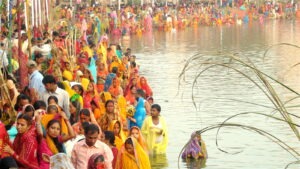
An ancient Vedic festival honouring the Sun. Four days of purification, fasting and riverside offerings.
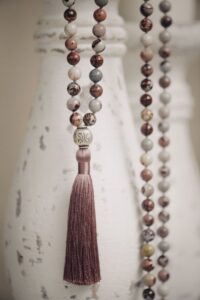
Repeating a mantra with a mala focuses the mind and brings calm. How to start practising japa.
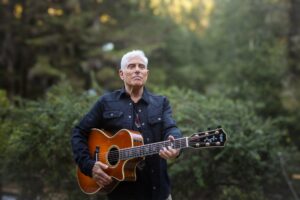
A pioneer of kirtan and world music, student of Ali Akbar Khan and Neem Karoli Baba.
Compassion, wisdom and local action in the face of the climate emergency. The view of a Buddhist activist caring for his watershed.
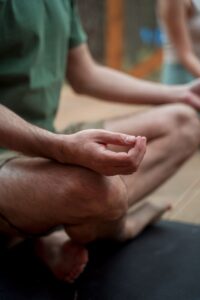
Mula, Uddiyana and Jalandhara bandha. What they are, where they are and how to start practising them safely.
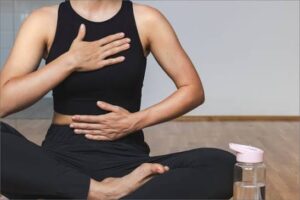
Learning to breathe with the diaphragm is the most direct way to switch on relaxation. Here’s how to practise it.
The various yogic traditions and techniques can be classified into four great ways or typologies according to the synthesis of traditional yoga carried out by Vivekananda in the 19th century.
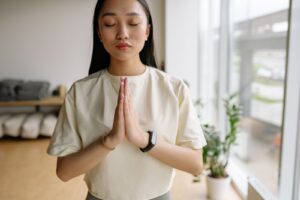
A home practice starts as effort, becomes a need and ends up a pleasure. A guide to getting started.
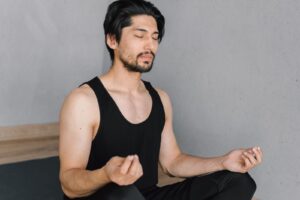
Active exhales and passive inhales. An energising practice worth learning well and doing with care.